Los Angeles, CA
 Support 24/7:
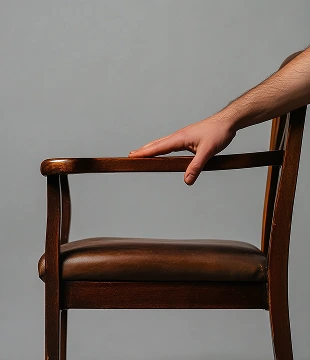
Leather usually cracks because it is losing flexibility over time. Sun exposure, heat, dry indoor air, body oils, and aggressive cleaners all weaken the top finish and make the material brittle. Once the surface coating starts to fail, small lines become visible cracks very quickly.
The best prevention strategy is consistency: gentle cleaning, proper conditioner use, and fast response to spills or friction-heavy wear zones. High-contact areas such as armrests, seat edges, and steering wheels need more frequent care than the rest of the surface.
If cracking has already started, early repair gives the best cosmetic result and usually costs less than waiting until the damage spreads. Small problem areas can often be stabilized and refinished before deeper structural damage appears.